Catullus 64 Translation
Introduction
Carmine 64 tells the story of Theseus** voyage and his defeat of the**Minotaur from the maiden’s point of view. The verse opens with a beautiful discussion of how the Argosy was made from pines that grew on Pelion, and how, while the Argonauts were sailing to collect the Golden Fleece, Peleus caught sight of Thetis, the sea Nymph and they were wed. From that union came Achilles.
Achilles is not specifically mentioned in the poem. Instead, Catullus rhapsodizes about how wonderful it was when husbands and wives were faithful, and how the land prospered. Now, he goes on to say, things are not going well outside the palace. Even so, inside a marriage bed is made for a goddess.
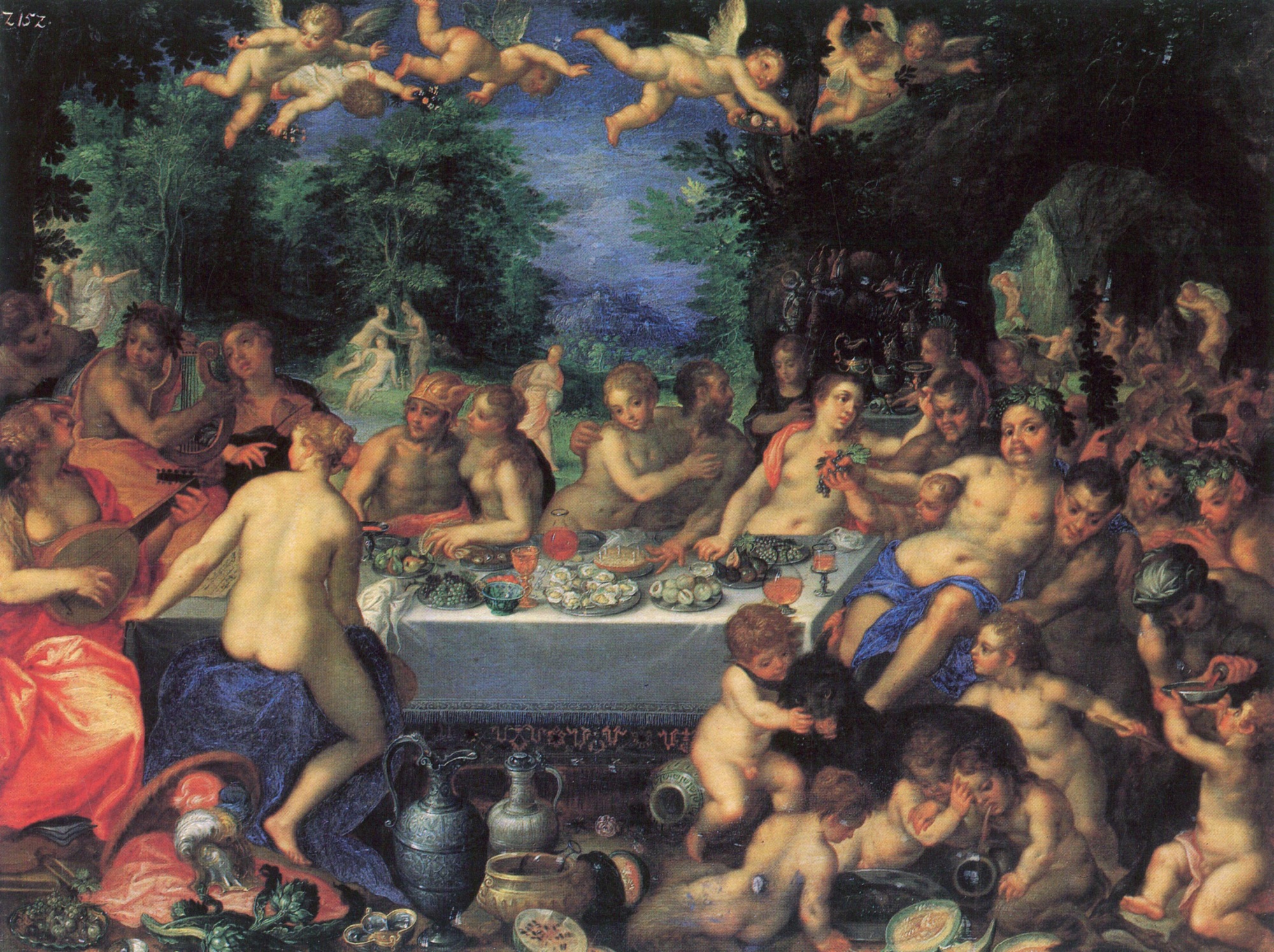
This bit is setting the scene for what is to come, foreshadowing the real action. We begin at the end, with Ariadne left lonely on the shore while Theseus sails away with his companions.
Ariadne has risen from sleep, to see Theseus sailing away. She cannot believe her eyes. She casts her delicate crown from her. She rends her garments. She is mad with grief and anger.
Ariadne has good reason to be upset. Theseus had come to the realm ofKing Minos** to defeat the Minotaur**, a monster that each year claimed the flower of the kingdoms young men and maidens. As he was making arrangements with the king, he sees Ariadne. She is described and a very young maiden who has not yet left her mother’s side. But when she sees Theseus she develops a desire for him. As a result, she gives him a ball of string and tells him how to defeat the Minotaur.
When Theseus emerges victorious, she has every expectation that the two of them will wed. But instead of taking his bride with him, Theseus abandons her and sails away.
Apparently, Theseus is a dreadfully forgetful youth. Not only does he leave a maiden whom he made wife behind him, he forgets a signal agreed upon with his father. If the venture was successful, they were to change the sails on the ship to a different color. But they left the plain white sails installed.
Therefore, when his father saw the ships approaching, he fears the worst. He cannot face the death of his son, and throws himself from the battlements onto the rocky shore and perishes.
Now, it is Theseus turn to suffer.
Catullus, canny storyteller that he was, now pulls back the camera, as it were, to give his audience a wider view. He seems to speak of the funeral procession, and of self-indulgent youth. He explains that embroidered on the hem of the bed covering are scenes from mythology. First, come the mortals, then the gods are shown in procession - thus were weddings once attended.
He then follows it up with a scene with theFates, spinning, weaving and tangling up the tapestry of mortal affairs. Catullus finishes it off by pointing out how when people do not take care of things as they should - being faithful to a wedded spouse, sending the right signal to a father - many things tend to go disastrously wrong. Now, he points out, the gods no longer attend weddings and other feast days.
Carmine 64 is one of Catullus’ longer works. Superficially, it is concerned with Theseus’ abandonment of Ariadne and his neglect to finer details, such as hanging white sails instead of the colored sails of grief. A closer examination of the underlying theme reveals criticism of the way Rome is being governed. Or, to put it another way, Catullus is pointing out that the Roman leaders have abandoned the ways of the righteous and that they are indulging their own passions and ambitions to the detriment of the Roman people. Since he wrote during the turbulent days of Julius Caesar’s rise to power, during which time political battles turned violent, causing Rome to be burned twice, it is no wonder he might have drawn a parallel to Theseus abandoning Ariadne.
This particular Carmine is relatively subtle compared to some of his more pointed works. Indeed, Caesar was once asked why he didn’t have Catullus executed for his insolence. Caesar is said to have remarked that he approved of him, and then to have quoted from his works. Whether this story was true or not, it is clear that Catullus was popular during his own time. More to the point, his themes of passionate love, grief, abandonment, and his retelling of classical themes have a universality that can be applied to many eras in history.
In spite of his many frankly sexually explicit references, such as “naked to the paps”, literate folk from the middle ages (when his works were re-discovered) to the present day have read his works with enjoyment. Perhaps it is because the era in which he wrote has been so thoroughly recorded, analyzed and studied down through the last two thousand years, or perhaps it is because he was simply that good a student of human nature.
Flowery, convoluted, and subtle though his poetry can be, even from this end of history is it not difficult to perceive the needle-sharp lampoons hidden in the over-blown poetics. For example, in this poem Theseus is not portrayed as a returning hero, but as a young idiot who ruined a girl’s life and then was too careless to change the sails on his vessel, thus causing his own father’s death. His “triumph” therefore instead becomes a funeral march, and his wedding an underlying cause of the downfall of Troy.
It does not take too great a stretch of the imagination to cast a youthful Julius Caesar, once the darling of the masses, as a “modern” Theseus. More than once, he defied the council of Rome, continuously pushing back the boundaries of the Republic until it began to collapse under its own weight. Nor was his personal household without stain. First widowed, then divorced, and finally married a third time, Julius clearly had his romantic struggles. Furthermore, he was often at loggerheads with the Roman Senate and the senior councilors to such extent that he finally triggered the Roman civil war, sometimes call Caesar’s Civil War.
Carmen 64
| Line | Latin text | English translation |
|---|---|---|
| 1 | PELIACO quondam prognatae uertice pinus | PINE-TREES of old, born on the top of Pelion, |
| 2 | dicuntur liquidas Neptuni nasse per undas | are said to have swum through the clear waters of Neptune |
| 3 | Phasidos ad fluctus et fines Aeetaeos, | to the waves of Phasis and the realms of Aeetes, |
| 4 | cum lecti iuuenes, Argiuae robora pubis, | when the chosen youths, the flower of Argive strength, |
| 5 | auratam optantes Colchis auertere pellem | desiring to bear away from the Colchians the golden fleece, |
| 6 | ausi sunt uada salsa cita decurrere puppi, | dared to course over the salt seas with swift ship, |
| 7 | caerula uerrentes abiegnis aequora palmis. | sweeping the blue expse with fir-wood blades; |
| 8 | diua quibus retinens in summis urbibus arces | for whom the goddess who holds the fortresses of city-tops |
| 9 | ipsa leui fecit uolitantem flamine currum, | made with her own hands the car flitting with light breeze, |
| 10 | pinea coniungens inflexae texta carinae. | and bound the piny structure of the bowed keel. |
| 11 | illa rudem cursu prima imbuit Amphitriten; | That ship first hanselled with voyage Amphitrite untried before. |
| 12 | quae simul ac rostro uentosum proscidit aequor | So when she ploughed with her beak the windy expanse, |
| 13 | tortaque remigio spumis incanuit unda, | and the wave churned by the oars grew white with foam-flakes, |
| 14 | emersere freti candenti e gurgite uultus | forth looked from the foaming surge of the sea |
| 15 | aequoreae monstrum Nereides admirantes. | the Nereids of the deep wondering at the strange thing. |
| 16 | illa, atque alia, uiderunt luce marinas | On that day, if on any other, mortals saw |
| 17 | mortales oculis nudato corpore Nymphas | with their eyes the sea Nymphs standing forth |
| 18 | nutricum tenus exstantes e gurgite cano. | from the hoary tide, with bodies naked as far as the paps. |
| 19 | tum Thetidis Peleus incensus fertur amore, | Then is Peleus said to have caught fire with love of Thetis, |
| 20 | tum Thetis humanos non despexit hymenaeos, | then did Thetis not disdain mortal espousals, |
| 21 | tum Thetidi pater ipse iugandum Pelea sensit. | then did the Father himself know that Peleus must be joined to Thetis. |
| 22 | nimis optato saeclorum tempore nati | O ye, in happiest time of ages born, |
| 23 | heroes, saluete, deum genus! o bona matrum | hail, heroes, sprung from gods! hail, kindly offspring of your mothers, hail |
| 23 B | progenies, saluete iter<um, salvete bonarum> | of your mothers, hail |
| 24 | uos ego saepe, meo uos carmine compellabo. | You often in my song, you will I address. |
| 25 | teque adeo eximie taedis felicibus aucte, | And specially thee, greatly blessed by fortunate marriage torches, |
| 26 | Thessaliae columen Peleu, cui Iuppiter ipse, | mainstay of Tbessaly, Peleus, to whom Jupiter himself, |
| 27 | ipse suos diuum genitor concessit amores; | the king of the gods himself granted his own love. |
| 28 | tene Thetis tenuit pulcerrima Nereine? | Thee did fairest Thetis clasp, daughter of Nereus? |
| 29 | tene suam Tethys concessit ducere neptem, | to thee did Tethys grant to wed her granddaughter, |
| 30 | Oceanusque, mari totum qui amplectitur orbem? | and Oceanus, who circles all the world with sea? |
| 31 | quae simul optatae finito tempore luces | Now when that longed-for day in time fulfilled |
| 32 | aduenere, domum conuentu tota frequentat | had come for them, all Thessaly in full assembly crowds the house, |
| 33 | Thessalia, oppletur laetanti regia coetu: | the palace is thronged with a joyful company. |
| 34 | dona ferunt prae se, declarant gaudia uultu. | They bring gifts in their hands, they display joy in their looks. |
| 35 | deseritur Cieros, linquunt Pthiotica Tempe | Cieros is deserted; they leave Phthiotic Tempe |
| 36 | Crannonisque domos ac moenia Larisaea, | and the houses of Crannon and the walls of Larissa; |
| 37 | Pharsalum coeunt, Pharsalia tecta frequentant. | at Pharsalus they meet, and flock to the houses of Pharsalus. |
| 38 | rura colit nemo, mollescunt colla iuuencis, | None now tills the lands; the necks of the steers grow soft; |
| 39 | non humilis curuis purgatur uinea rastris, | no more is the ground of the vineyard cleared with curved rakes; |
| 40 | non glebam prono conuellit uomere taurus, | no more does the pruners’ hook thin the shade of the tree; |
| 41 | non falx attenuat frondatorum arboris umbram, | no more does the ox tear up the soil with downward share; |
| 42 | squalida desertis rubigo infertur aratris. | rough rust creeps over the deserted ploughs. |
| 43 | ipsius at sedes, quacumque opulenta recessit | But Peleus’ own abodes, so far as inward stretched |
| 44 | regia, fulgenti splendent auro atque argento. | the wealthy palace, with glittering gold and silver shine. |
| 45 | candet ebur soliis, collucent pocula mensae, | White gleams the ivory of the thrones, bright are the cups on the table; |
| 46 | tota domus gaudet regali splendida gaza. | the whole house is gay and gorgeous with royal treasure. |
| 47 | puluinar uero diuae geniale locatur | But see, the royal marriage bed is being set for the goddess |
| 48 | sedibus in mediis, Indo quod dente politum | in the midst of the palace, smoothly fashioned of Indian tusk, |
| 49 | tincta tegit roseo conchyli purpura fuco. | covered with purple tinged with the rosy stain of the shell. |
| 50 | haec uestis priscis hominum uariata figuris | This coverlet, broidered with shapes of ancient men, |
| 51 | heroum mira uirtutes indicat arte. | with wondrous art sets forth the worthy deeds of heroes. |
| 52 | namque fluentisono prospectans litore Diae, | For there, looking forth from the wavesounding shore of Dia, |
| 53 | Thesea cedentem celeri cum classe tuetur | Ariadna sees Theseus, as he sails away with swift fleet, |
| 54 | indomitos in corde gerens Ariadna furores, | Ariadna bearing wild madness in her heart. |
| 55 | necdum etiam sese quae uisit uisere credit, | Not yet can she believe she beholds what yet she does behold; |
| 56 | utpote fallaci quae tum primum excita somno | since now, now first wakened from treacherous sleep |
| 57 | desertam in sola miseram se cernat harena. | she sees herself, poor wretch, deserted on the lonely sand. |
| 58 | immemor at iuuenis fugiens pellit uada remis, | Meanwhile the youth flies and strikes the waters with his oars, |
| 59 | irrita uentosae linquens promissa procellae. | leaving unfulfilled his empty pledges to the gusty storm. |
| 60 | quem procul ex alga maestis Minois ocellis, | At whom afar from the weedy beach with streaming eyes the daughter of Minos, |
| 61 | saxea ut effigies bacchantis, prospicit, eheu, | like a marble figure of a bacchanal, looks forth, alas! |
| 62 | prospicit et magnis curarum fluctuat undis, | looks forth tempest-tost with great tides of passion. |
| 63 | non flauo retinens subtilem uertice mitram, | Nor does she still keep the delicate headband on her golden head, |
| 64 | non contecta leui uelatum pectus amictu, | nor has her breast veiled by the covering of her light raiment, |
| 65 | non tereti strophio lactentis uincta papillas, | nor her milk-white bosom bound with the smooth girdle; |
| 66 | omnia quae toto delapsa e corpore passim | all these, as they slipt off around her whole body, |
| 67 | ipsius ante pedes fluctus salis alludebant. | before her very feet the salt waves lapped. |
| 68 | sed neque tum mitrae neque tum fluitantis amictus | She for her headgear then, she for her floating raiment then, |
| 69 | illa uicem curans toto ex te pectore, Theseu, | cared not, but on thee, Theseus, with all her thoughts, |
| 70 | toto animo, tota pendebat perdita mente. | with all her soul, with all her mind (lost, ah lost!) was hanging, |
| 71 | misera, assiduis quam luctibus externauit | unhappy maid! whom with unceasing floods of grief |
| 72 | spinosas Erycina serens in pectore curas, | Erycina maddened, sowing thorny cares in her breast, |
| 73 | illa tempestate, ferox quo ex tempore Theseus | even at that hour, what time bold Theseus |
| 74 | egressus curuis e litoribus Piraei | setting forth from the winding shores of Piraeus |
| 75 | attigit iniusti regis Gortynia templa. | reached the Gortynian palace of the lawless king. |
| 76 | nam perhibent olim crudeli peste coactam | For they tell how of old, driven by a cruel pestilence |
| 77 | Androgeoneae poenas exsoluere caedis | to pay a penalty for the slaughter of Androgeos, |
| 78 | electos iuuenes simul et decus innuptarum | Cecropia was wont to give as a feast to the Minotaur |
| 79 | Cecropiam solitam esse dapem dare Minotauro. | chosen youths, and with them the flower of unwedded maids. |
| 80 | quis angusta malis cum moenia uexarentur, | Now when his narrow walls were troubled by these evils, |
| 81 | ipse suum Theseus pro caris corpus Athenis | Theseus himself for his dear Athens chose to offer |
| 82 | proicere optauit potius quam talia Cretam | his own body, rather than that such deaths, |
| 83 | funera Cecropiae nec funera portarentur. | living deaths, of Cecropia should be borne to Crete. |
| 84 | atque ita naue leui nitens ac lenibus auris | Thus then, speeding his course with light bark and gentle gales, |
| 85 | magnanimum ad Minoa uenit sedesque superbas. | he comes to lordly Minos and his haughty halls. |
| 86 | hunc simul ac cupido conspexit lumine uirgo | Him when the damsel beheld with eager eye, |
| 87 | regia, quam suauis exspirans castus odores | the princess, whom her chaste couch breathing sweet odours |
| 88 | lectulus in molli complexu matris alebat, | still nursed in her mother’s soft embrace, |
| 89 | quales Eurotae praecingunt flumina myrtus | like myrtles which spring by the streams of Eurotas, |
| 90 | auraue distinctos educit uerna colores, | or the flowers of varied hue which the breath of spring draws forth, |
| 91 | non prius ex illo flagrantia declinauit | she turned not her burning eyes away from him, |
| 92 | lumina, quam cuncto concepit corpore flammam | till she had caught fire in all her heart deep within, |
| 93 | funditus atque imis exarsit tota medullis. | and glowed all flame in her inmost marrow. |
| 94 | heu misere exagitans immiti corde furores | Ah! thou that stirrest cruel madness with ruthless heart, |
| 95 | sancte puer, curis hominum qui gaudia misces, | divine boy, who minglest joys of men with cares, |
| 96 | quaeque regis Golgos quaeque Idalium frondosum, | and thou, who reignest over Golgi and leafy Idalium, |
| 97 | qualibus incensam iactastis mente puellam | on what billows did ye toss the burning heart of the maiden, |
| 98 | fluctibus, in flauo saepe hospite suspirantem! | often sighing for the golden-headed stranger! |
| 99 | quantos illa tulit languenti corde timores! | what fears did she endure with fainting heart! |
| 100 | quanto saepe magis fulgore expalluit auri, | how often did she then grow paler than the gleam of gold, |
| 101 | cum saeuum cupiens contra contendere monstrum | when Theseus, eager to contend with the savage monster, |
| 102 | aut mortem appeteret Theseus aut praemia laudis! | was setting forth to win either death or the meed of valour! |
| 103 | non ingrata tamen frustra munuscula diuis | Yet not unsweet were the gifts, though vainly promised to the gods, |
| 104 | promittens tacito succepit uota labello. | which she offered with silent lip. |
| 105 | nam uelut in summo quatientem brachia Tauro | For as a tree which waves its boughs on Taurus’ top, |
| 106 | quercum aut conigeram sudanti cortice pinum | an oak or a cone-bearing pine with sweating bark, |
| 107 | indomitus turbo contorquens flamine robur, | when a vehement storm twists the grain with its blast, |
| 108 | eruit (illa procul radicitus exturbata | and tears it up (afar, wrenched up by the roots |
| 109 | prona cadit, late quaeuis cumque obuia frangens,) | it lies prone, breaking away all that meets its fall), |
| 110 | sic domito saeuum prostrauit corpore Theseus | so did Theseus overcome and lay low the bulk of the monster, |
| 111 | nequiquam uanis iactantem cornua uentis. | vainly tossing his horns to the empty winds. |
| 112 | inde pedem sospes multa cum laude reflexit | Thence he retraced his way, unharmed and with much glory, |
| 113 | errabunda regens tenui uestigia filo, | guiding his devious footsteps by the fine clew, |
| 114 | ne labyrintheis e flexibus egredientem | lest as he came forth from the mazy windings of the labyrinth |
| 115 | tecti frustraretur inobseruabilis error. | the inextricable entanglement of the building should bewilder him. |
| 116 | sed quid ego a primo digressus carmine plura | But why should I leave the first subject of my song and tell of more; |
| 117 | commemorem, ut linquens genitoris filia uultum, | how the daughter, flying from her father’s face, |
| 118 | ut consanguineae complexum, ut denique matris, | the embrace of her sister, then of her mother last, |
| 119 | quae misera in gnata deperdita laeta | who lamented, lost in grief for her daugbter, |
| 120 | omnibus his Thesei dulcem praeoptarit amorem: | how she chose before all these the sweet love of Theseus; |
| 121 | aut ut uecta rati spumosa ad litora Diae | or how the ship came borne to the foaming shores of Dia; |
| 122 | aut ut eam deuinctam lumina somno | or how when her eyes were bound with sleep |
| 123 | liquerit immemori discedens pectore coniunx? | her spouse left her, departing with forgetful mind? |
| 124 | saepe illam perhibent ardenti corde furentem | Often in the madness of her burning heart they say that she |
| 125 | clarisonas imo fudisse e pectore uoces, | uttered piercing cries from her inmost breast; |
| 126 | ac tum praeruptos tristem conscendere montes, | and now would she sadly climb the rugged mountains, |
| 127 | unde aciem pelagi uastos protenderet aestus, | thence to strain her eyes over the waste of ocean-tide; |
| 128 | tum tremuli salis aduersas procurrere in undas | now run out to meet the waters of the rippling brine, |
| 129 | mollia nudatae tollentem tegmina surae, | lifting the soft vesture of her bared knee. |
| 130 | atque haec extremis maestam dixisse querellis, | And thus said she mournfully in her last laments, |
| 131 | frigidulos udo singultus ore cientem: | uttering chilly sobs with tearful face: |
| 132 | ’sicine me patriis auectam, perfide, ab aris | “Thus then, having borne me afar from my father’s home, |
| 133 | perfide, deserto liquisti in litore, Theseu? | thus hast thou left me, faithless, faithless Theseus, on the lonely shore? |
| 134 | sicine discedens neglecto numine diuum, | thus departing, unmindful of the will of the gods, |
| 135 | immemor a! deuota domum periuria portas? | forgetful, ah! dost thou carry to thy home the curse of perjury? |
| 136 | nullane res potuit crudelis flectere mentis | could nothing bend the purpose of thy cruel mind? |
| 137 | consilium? tibi nulla fuit clementia praesto, | was no mercy present in thy soul, |
| 138 | immite ut nostri uellet miserescere pectus? | to bid thy ruthless heart incline to pity for me? |
| 139 | at non haec quondam blanda promissa dedisti | Not such were the promises thou gavest me once |
| 140 | uoce mihi, non haec miserae sperare iubebas, | with winning voice, not this didst thou bid me hope, |
| 141 | sed conubia laeta, sed optatos hymenaeos, | ah me! no, but a joyful wedlock, but a desired espousal; |
| 142 | quae cuncta aereii discerpunt irrita uenti. | all which the winds of Heaven now blow abroad in vain. |
| 143 | nunc iam nulla uiro iuranti femina credat, | Henceforth let no woman believe a man’s oath, |
| 144 | nulla uiri speret sermones esse fideles; | let none believe that a man’s speeches can be trustworthy. |
| 145 | quis dum aliquid cupiens animus praegestit apisci, | They, while their mind desires something and longs eagerly to gain it, |
| 146 | nil metuunt iurare, nihil promittere parcunt: | nothing fear to swear, nothing spare to promise; |
| 147 | sed simul ac cupidae mentis satiata libido est, | but as soon as the lust of their greedy mind is satisfied, |
| 148 | dicta nihil metuere, nihil periuria curant. | they fear not then their words, they heed not their perjuries. |
| 149 | certe ego te in medio uersantem turbine leti | I — thou knowest it — when thou wert tossing in the very whirl of death, |
| 150 | eripui, et potius germanum amittere creui, | saved thee, and set my heart rather to let my brother go |
| 151 | quam tibi fallaci supremo in tempore dessem. | than to fail thee, now faithless found, in thy utmost need. |
| 152 | pro quo dilaceranda feris dabor alitibusque | And for this I shall be given to beasts and birds to tear as a prey; |
| 153 | praeda, neque iniacta tumulabor mortua terra. | my corpse shall have no sepulture, shall be sprinkled with no earth. |
| 154 | quaenam te genuit sola sub rupe leaena, | What lioness bore thee under a desert rock? |
| 155 | quod mare conceptum spumantibus exspuit undis, | what sea conceived thee and vomited thee forth from its foaming waves? |
| 156 | quae Syrtis, quae Scylla rapax, quae uasta Carybdis, | what Syrtis, what ravening Scylla, what waste Charybdis bore thee, |
| 157 | talia qui reddis pro dulci praemia uita? | who for sweet life returnest such meed as this? |
| 158 | si tibi non cordi fuerant conubia nostra, | If thou hadst no mind to wed with me |
| 159 | saeua quod horrebas prisci praecepta parentis, | for dread of the harsh bidding of thy stern father, |
| 160 | attamen in uestras potuisti ducere sedes, | yet thou couldst have led me into thy dwellings |
| 161 | quae tibi iucundo famularer serua labore, | to serve thee as a slave with labour of love, |
| 162 | candida permulcens liquidis uestigia lymphis, | laving thy white feet with liquid water, |
| 163 | purpureaue tuum consternens ueste cubile. | or with purple coverlet spreading thy bed. |
| 164 | sed quid ego ignaris nequiquam conquerar auris, | ” But why should I, distracted with woe, cry in vain |
| 165 | externata malo, quae nullis sensibus auctae | to the senseless airs-the airs that are endowed with no feeling, |
| 166 | nec missas audire queunt nec reddere uoces? | and can neither hear nor return the messages of my voice? |
| 167 | ille autem prope iam mediis uersatur in undis, | He meanwhile is now tossing almost in mid-sea, |
| 168 | nec quisquam apparet uacua mortalis in alga. | and no human being is seen on the waste and weedy shore. |
| 169 | sic nimis insultans extremo tempore saeua | Thus fortune too, full of spite, in this my supreme hour |
| 170 | fors etiam nostris inuidit questibus auris. | has cruelly grudged all ears to my complaints. |
| 171 | Iuppiter omnipotens, utinam ne tempore primo | Almighty Jupiter, I would the Attic ships |
| 172 | Gnosia Cecropiae tetigissent litora puppes, | had never touched Gnosian shores, |
| 173 | indomito nec dira ferens stipendia tauro | nor ever the faithless voyager, bearing the dreadful tribute |
| 174 | perfidus in Cretam religasset nauita funem, | to the savage bull, has fastened his cable in Crete, |
| 175 | nec malus hic celans dulci crudelia forma | nor that this evil man, hiding cruel designs under a fair outside, |
| 176 | consilia in nostris requiesset sedibus hospes! | had reposed in our dwellings as a guest! |
| 177 | nam quo me referam? quali spe perdita nitor? | For whither shall I return, lost, ah, lost? on what hope do I lean? |
| 178 | Idaeosne petam montes? at gurgite lato | shall I seek the mountains of Sidon? how broad the flood, |
| 179 | discernens ponti truculentum diuidit aequor. | how savage the tract of sea which divides them from me! |
| 180 | an patris auxilium sperem? quemne ipsa reliqui | Shall I hope for the aid of my father? — whom I deserted of my own will, |
| 181 | respersum iuuenem fraterna caede secuta? | to follow a lover dabbled with my brother’s blood! |
| 182 | coniugis an fido consoler memet amore? | Or shall I console myself with the faithful love of my spouse, |
| 183 | quine fugit lentos incuruans gurgite remos? | who is flying from me, bending his tough oars in the wave? |
| 184 | praeterea nullo colitur sola insula tecto, | and here too is naught but the shore, with never a house, a desert island; |
| 185 | nec patet egressus pelagi cingentibus undis. | no way to depart opens for me; about me are the waters of the sea; |
| 186 | nulla fugae ratio, nulla spes: omnia muta, | no means of flight, no hope; all is dumb, |
| 187 | omnia sunt deserta, ostentant omnia letum. | all is desolate; all shows me the face of death. |
| 188 | non tamen ante mihi languescent lumina morte, | Yet my eyes shall not grow faint in death, |
| 189 | nec prius a fesso secedent corpore sensus, | nor shall the sense fail from my wearied body, |
| 190 | quam iustam a diuis exposcam prodita multam | before I demand from the gods just vengeance for my betrayal, |
| 191 | caelestumque fidem postrema comprecer hora. | and call upon the faith of the heavenly ones in my last hour. |
| 192 | quare facta uirum multantes uindice poena | Therefore, O ye that visit the deeds of men with vengeful pains, |
| 193 | Eumenides, quibus anguino redimita capillo | ye Eumenides, whose foreheads bound with snaky hair |
| 194 | frons exspirantis praeportat pectoris iras, | announce the wrath which breathes from your breast, |
| 195 | huc huc aduentate, meas audite querellas, | hither, bither haste, hear my complaints |
| 196 | quas ego, uae misera, extremis proferre medullis | which I (ah, unhappy!) bring forth from my inmost heart |
| 197 | cogor inops, ardens, amenti caeca furore. | perforce, helpless, burning, blinded with raging frenzy. |
| 198 | quae quoniam uerae nascuntur pectore ab imo, | For since my woes come truthfully from the depths of my heart, |
| 199 | uos nolite pati nostrum uanescere luctum, | suffer not ye my grief to come to nothing: |
| 200 | sed quali solam Theseus me mente reliquit, | but even as Theseus had the heart to leave me desolate, |
| 201 | tali mente, deae, funestet seque suosque.’ | with such a heart, ye goddesses, may he bring ruin upon himself and his own!“ |
| 202 | has postquam maesto profudit pectore uoces, | When she bad poured out these words from her sad breast, |
| 203 | supplicium saeuis exposcens anxia factis, | earnestly demanding vengeance for cruel deeds; |
| 204 | annuit inuicto caelestum numine rector; | the Lord of the heavenly ones bowed assent with sovereign nod, |
| 205 | quo motu tellus atque horrida contremuerunt | and at that movement the earth and stormy seas trembled, |
| 206 | aequora concussitque micantia sidera mundus. | and the heavens shook the quivering stars. |
| 207 | ipse autem caeca mentem caligine Theseus | But Theseus himself, darkling in his thoughts with blind dimness, |
| 208 | consitus oblito dimisit pectore cuncta, | let slip from his forgetful mind all the biddings |
| 209 | quae mandata prius constanti mente tenebat, | which formerly he had held firm with constant heart, |
| 210 | dulcia nec maesto sustollens signa parenti | and raised not the welcome sign to his mourning father, |
| 211 | sospitem Erechtheum se ostendit uisere portum. | nor showed that he was safely sighting the Erechthean harbour. |
| 212 | namque ferunt olim, classi cum moenia diuae | For they say that erewhile, when Aegeus was trusting his son to the winds, |
| 213 | linquentem gnatum uentis concrederet Aegeus, | as with his fleet he left the walls of the goddess, |
| 214 | talia complexum iuueni mandata dedisse: | he embraced the youth and gave him this charge: |
| 215 | ’gnate mihi longa iucundior unice uita, | “My son, my only son, dearer to me than all my length of days, |
| 216 | gnate, ego quem in dubios cogor dimittere casus, | restored to me but now in the last end of old age, |
| 217 | reddite in extrema nuper mihi fine senectae, | my son, whom I perforce let go forth to doubtful hazards, |
| 218 | quandoquidem fortuna mea ac tua feruida uirtus | since my fortune and thy burning valour |
| 219 | eripit inuito mihi te, cui languida nondum | tear thee from me, unwilling me, whose failing |
| 220 | lumina sunt gnati cara saturata figura, | eyes are not yet satisfied with the dear image of my son, |
| 221 | non ego te gaudens laetanti pectore mittam, | I will not let thee go gladly with cheerful heart, |
| 222 | nec te ferre sinam fortunae signa secundae, | nor sufer thee to bear the tokens of prosperous fortune: |
| 223 | sed primum multas expromam mente querellas, | but first will bring forth many laments from my heart, |
| 224 | canitiem terra atque infuso puluere foedans, | soiling my gray hairs with earth and showered dust: |
| 225 | inde infecta uago suspendam lintea malo, | thereafter will I hang dyed sails on thy roving mast, |
| 226 | nostros ut luctus nostraeque incendia mentis | that so the tale of my grief and the fire that burns in my heart |
| 227 | carbasus obscurata dicet ferrugine Hibera. | may be marked by the canvas stained with Iberian azure. |
| 228 | quod tibi si sancti concesserit incola Itoni, | But if she who dwells in holy Itonus, |
| 229 | quae nostrum genus ac sedes defendere Erecthei | who vouchsafes to defend our race and the abodes of Erechtheus, |
| 230 | annuit, ut tauri respergas sanguine dextram, | shall grant thee to sprinkle thy right hand with the bull’s blood, |
| 231 | tum uero facito ut memori tibi condita corde | then be sure that these my commands live, laid up |
| 232 | haec uigeant mandata, nec ulla oblitteret aetas; | in thy mindful heart, and that no length of time blur them: |
| 233 | ut simul ac nostros inuisent lumina collis, | that as soon as thy eyes shall come within sight of our hills, |
| 234 | funestam antennae deponant undique uestem, | thy yardarms may lay down from them their mourning raiment, |
| 235 | candidaque intorti sustollant uela rudentes, | and the twisted cordage raise a white sail: |
| 236 | quam primum cernens ut laeta gaudia mente | that so I may see at once and gladly welcome the signs of joy, |
| 237 | agnoscam, cum te reducem aetas prospera sistet.’ | when a happy hour shall set thee here in thy home again.” |
| 238 | haec mandata prius constanti mente tenentem | These charges at first did Theseus preserve with constant mind; |
| 239 | Thesea ceu pulsae uentorum flamine nubes | but then they left him, as clouds driven by the breath of the winds |
| 240 | aereum niuei montis liquere cacumen. | leave the lofty head of the snowy mountain. |
| 241 | at pater, ut summa prospectum ex arce petebat, | But the father, as he gazed out from his tower-top, |
| 242 | anxia in assiduos absumens lumina fletus, | wasting his longing eyes in constant tear-floods, |
| 243 | cum primum infecti conspexit lintea ueli, | when first he saw the canvas of the bellying sail, |
| 244 | praecipitem sese scopulorum e uertice iecit, | threw himself headlong from the summit of the rocks, |
| 245 | amissum credens immiti Thesea fato. | believing Theseus destroyed by ruthless fate. |
| 246 | sic funesta domus ingressus tecta paterna | Thus bold Theseus, as he entered the chambers of his home, |
| 247 | morte ferox Theseus, qualem Minoidi luctum | darkened with mourning for his father’s death, himself received such grief |
| 248 | obtulerat mente immemori, talem ipse recepit. | as by forgetfulness of heart he had caused to the daughter of Minos. |
| 249 | quae tum prospectans cedentem maesta carinam | And she the while, gazing out tearfully at the receding ship, |
| 250 | multiplices animo uoluebat saucia curas. | was revolving manifold cares in her wounded heart. |
| 251 | at parte ex alia florens uolitabat Iacchus | In another part of the tapestry youthful Bacchus was wandering |
| 252 | cum thiaso Satyrorum et Nysigenis Silenis, | with the rout of Satyrs and the Nysa-born Sileni, s |
| 253 | te quaerens, Ariadna, tuoque incensus amore. | eeking thee, Ariadna, and fired with thy love; |
| 254 | quae tum alacres passim lymphata mente furebant | who then, busy here and there, were raging with frenzied mind, |
| 255 | euhoe bacchantes, euhoe capita inflectentes. | while “Evoe!” they cried tumultuously, “Evoe!” shaking their heads. |
| 256 | harum pars tecta quatiebant cuspide thyrsos, | Some of them were waving thyrsi with shrouded points, |
| 257 | pars e diuolso iactabant membra iuuenco, | some tossing about the limbs of a mangled steer, |
| 258 | pars sese tortis serpentibus incingebant, | some girding themselves with writhing serpents: |
| 259 | pars obscura cauis celebrabant orgia cistis, | some bearing in solemn procession dark mysteries enclosed in caskets, |
| 260 | orgia quae frustra cupiunt audire profani; | mysteries which the profane desire in vain to hear. |
| 261 | plangebant aliae proceris tympana palmis, | Others beat timbrels with uplifted hands, |
| 262 | aut tereti tenuis tinnitus aere ciebant; | or raised clear clashings with cymbals of rounded bronze: |
| 263 | multis raucisonos efflabant cornua bombos | many blew horns with harsh-sounding drone, |
| 264 | barbaraque horribili stridebat tibia cantu. | and the barbarian pipe shrilled with dreadful din. |
| 265 | talibus amplifice uestis decorata figuris | Such were the figures that richly adorned the tapestry |
| 266 | puluinar complexa suo uelabat amictu. | which embraced and shrouded with its folds the royal couch. |
| 267 | quae postquam cupide spectando Thessala pubes | Now when the Thessalian youth had gazed their fill, fixing their eager eyes |
| 268 | expleta est, sanctis coepit decedere diuis. | on these wonders, they began to give place to the holy gods. |
| 269 | hic, qualis flatu placidum mare matutino | Hereupon, as the west wind ruffling the quiet sea |
| 270 | horrificans Zephyrus procliuas incitat undas, | with its breath at morn urges on the sloping waves, |
| 271 | Aurora exoriente uagi sub limina Solis, | when the Dawn is rising up to the gates of the travelling Sun, |
| 272 | quae tarde primum clementi flamine pulsae | the waters slowly at first, driven by gentle breeze, |
| 273 | procedunt leuiterque sonant plangore cachinni, | step on and lightly sound with plash of laughter; |
| 274 | post uento crescente magis magis increbescunt, | then as the breeze grows fresh they crowd on close and closer, |
| 275 | purpureaque procul nantes ab luce refulgent: | and floating afar reflect a brightness from the crimson light; |
| 276 | sic tum uestibuli linquentes regia tecta | so now, leaving the royal buildings of the portal, |
| 277 | ad se quisque uago passim pede discedebant. | hither and thither variously with devious feet the guests passed away. |
| 278 | quorum post abitum princeps e uertice Pelei | After their departure, from the top of Pelion |
| 279 | aduenit Chiron portans siluestria dona: | came Chiron leading the way, and bearing woodland gifts. |
| 280 | nam quoscumque ferunt campi, quos Thessala magnis | For all the flowers that the plains bear, all that the Thessalian region |
| 281 | montibus ora creat, quos propter fluminis undas | brings to birth on its mighty mountains, all the flowers that near the river’s streams |
| 282 | aura parit flores tepidi fecunda Fauoni, | the fruitful gale of warm Favonius discloses, |
| 283 | hos indistinctis plexos tulit ipse corollis, | these he brought himself, woven in mingled garlands, |
| 284 | quo permulsa domus iucundo risit odore. | cheered with whose grateful odour the house smiled its gladness. |
| 285 | confestim Penios adest, uiridantia Tempe, | Forthwith Peneüs is there, leaving verdant Tempe, |
| 286 | Tempe, quae siluae cingunt super impendentes, | Tempe girt with impendent forests |
| 287 | Minosim linquens doris celebranda choreis, | […] to be haunted by Dorian dances; |
| 288 | non uacuos: namque ille tulit radicitus altas | not empty-handed, for he bore, torn up by the roots, |
| 289 | fagos ac recto proceras stipite laurus, | lofty beeches and tall bay-trees with upright stem, |
| 290 | non sine nutanti platano lentaque sorore | and with them the nodding plane and the swaying sister |
| 291 | flammati Phaethontis et aerea cupressu. | of flame-devoured Phaethon, and the tall cypress. |
| 292 | haec circum sedes late contexta locauit, | All these he wove far and wide around their home, |
| 293 | uestibulum ut molli uelatum fronde uireret. | that the portal might be greenly embowered with soft foliage. |
| 294 | post hunc consequitur sollerti corde Prometheus, | Him follows Prometheus wise of heart, |
| 295 | extenuata gerens ueteris uestigia poenae, | bearing the faded scars of the ancient penalty |
| 296 | quam quondam silici restrictus membra catena | which whilom, his limbs bound fast to the rock with chains, |
| 297 | persoluit pendens e uerticibus praeruptis. | he paid, hanging from the craggy summits. |
| 298 | inde pater diuum sancta cum coniuge natisque | Then came the Father of the gods with his divine wife and his sons, |
| 299 | aduenit caelo, te solum, Phoebe, relinquens | leaving thee, Phoebus, alone in heaven, |
| 300 | unigenamque simul cultricem montibus Idri: | and with thee thine own sister who dwells in the heights of Idrus; |
| 301 | Pelea nam tecum pariter soror aspernata est, | for as thou didst, so did thy sister scorn Peleus, |
| 302 | nec Thetidis taedas uoluit celebrare iugales. | nor deigned to be present at the nuptial torches of Thetis. |
| 303 | qui postquam niueis flexerunt sedibus artus | So when they had reclined their limbs on the white couches, |
| 304 | large multiplici constructae sunt dape mensae, | bountifully were the tables piled with varied dainties: |
| 305 | cum interea infirmo quatientes corpora motu | whilst in the meantime, swaying their bodies with palsied motion, |
| 306 | ueridicos Parcae coeperunt edere cantus. | the Parcae began to utter soothtelling chants. |
| 307 | his corpus tremulum complectens undique uestis | White raiment enfolding their aged limbs |
| 308 | candida purpurea talos incinxerat ora, | robed their ankles with a crimson border; |
| 309 | at roseae niueo residebant uertice uittae, | on their snowy heads rested rosy bands, |
| 310 | aeternumque manus carpebant rite laborem. | while their hands duly plied the eternal task. |
| 311 | laeua colum molli lana retinebat amictum, | The left band held the distaff clothed with soft wool; |
| 312 | dextera tum leuiter deducens fila supinis | then the right hand lightly drawing out the threads with upturned |
| 313 | formabat digitis, tum prono in pollice torquens | fingers shaped them, then with downward thumb |
| 314 | libratum tereti uersabat turbine fusum, | twirled the spindle poised with rounded whorl; |
| 315 | atque ita decerpens aequabat semper opus dens, | and so with their teeth they still plucked the threads and made the work even. |
| 316 | laneaque aridulis haerebant morsa labellis, | Bitten ends of wool clung to their dry lips, |
| 317 | quae prius in leui fuerant exstantia filo: | which had before stood out from the smooth yarn: |
| 318 | ante pedes autem candentis mollia lanae | and at their feet soft fleeces of white-shining wool |
| 319 | uellera uirgati custodibant calathisci. | were kept safe in baskets of osier. |
| 320 | haec tum clarisona pellentes uellera uoce | They then, as they struck the wool, sang with clear voice, |
| 321 | talia diuino fuderunt carmine fata, | and thus poured forth the Fates in divine chant. |
| 322 | carmine, perfidiae quod post nulla arguet aetas. | That chant no length of time shall prove untruthful. |
| 323 | decus eximium magnis uirtutibus augens, | “O thou who crownest high renown with great deeds of virtue, |
| 324 | Emathiae tutamen opis, carissime nato, | bulwark of Emathian power, famed for thy son to be, |
| 325 | accipe, quod laeta tibi pandunt luce sorores, | receive the truthful oracle which on this happy day |
| 326 | ueridicum oraclum: sed uos, quae fata sequuntur, | the Sisters reveal to thee; but run ye on, drawing |
| 327 | currite ducentes subtegmina, currite, fusi. | the woof-threads which the fates follow, ye spindles, run. |
| 328 | adueniet tibi iam portans optata maritis | ” Soon will Hesperus come to thee, Hesperus, who brings longed-for gifts to the wedded, |
| 329 | Hesperus, adueniet fausto cum sidere coniunx, | soon will come thy wife with happy star, |
| 330 | quae tibi flexanimo mentem perfundat amore, | to shed over thy spirit soul-quelling love, |
| 331 | languidulosque paret tecum coniungere somnos, | and join with thee languorous slumbers, |
| 332 | leuia substernens robusto bracchia collo. | laying her smooth arms under thy strong neck. |
| 333 | currite ducentes subtegmina, currite, fusi. | Run, drawing the woof-threads, ye spindles, run. |
| 334 | nulla domus tales umquam contexit amores, | ” No house ever harboured such loves as these; |
| 335 | nullus amor tali coniunxit foedere amantes, | no love ever joined lovers in such a bond |
| 336 | qualis adest Thetidi, qualis concordia Peleo. | as links Thetis with Pelcus, Peleus with Thetis. |
| 337 | currite ducentes subtegmina, currite, fusi. | Run, drawing the woof-threads, ye spindles, run. |
| 338 | nascetur uobis expers terroris Achilles, | ” There shall be born to you a son that knows not fear, Achilles, |
| 339 | hostibus haud tergo, sed forti pectore notus, | known to his enemies not by his back but by his stout breast; |
| 340 | qui persaepe uago uictor certamine cursus | who right often winner in the contest of the wide-ranging race |
| 341 | flammea praeuertet celeris uestigia ceruae. | shall outstrip the flame-fleet footsteps of the flying hind. |
| 342 | currite ducentes subtegmina, currite, fusi. | Run, drawing the woof-threads, ye spindles, run. |
| 343 | non illi quisquam bello se conferet heros, | “Against him not a hero shall match himself in war, |
| 344 | cum Phrygii Teucro manabunt sanguine | when the Phrygian streams shall flow with Teucrian blood, |
| 345 | Troicaque obsidens longinquo moenia bello, | and the third heir of Pelops shall lay waste |
| 346 | periuri Pelopis uastabit tertius heres. | the Trojan walls, with tedious war beleaguering. |
| 347 | currite ducentes subtegmina, currite, fusi. | Run, drawing the woof-threads, ye spindles, run. |
| 348 | illius egregias uirtutes claraque facta | “The hero’s surpassing achievements and renowned deeds |
| 349 | saepe fatebuntur gnatorum in funere matres, | often shall mothers own at the burial of their sons, |
| 350 | cum incultum cano soluent a uertice crinem, | loosing dishevelled hair from hoary head, |
| 351 | putridaque infirmis uariabunt pectora palmis. | and marring their withered breasts with weak hands. |
| 352 | currite ducentes subtegmina, currite, fusi. | Run, drawing the woof-threads, ye spindles, run. |
| 353 | namque uelut densas praecerpens messor aristas | “For as the husbandman cropping the thick ears of corn |
| 354 | sole sub ardenti flauentia demetit arua, | under the burning sun mows down the yellow fields, |
| 355 | Troiugenum infesto prosternet corpora ferro. | so shall he lay low with foeman’s steel the bodies of the sons of Troy. |
| 356 | currite ducentes subtegmina, currite, fusi. | Run, drawing the woofthreads, ye spindles, run. |
| 357 | testis erit magnis uirtutibus unda Scamandri, | “Witness of his great deeds of valour shall be the wave of Scamander |
| 358 | quae passim rapido diffunditur Hellesponto, | which pours itself forth abroad in the current of Hellespont, |
| 359 | cuius iter caesis angustans corporum aceruis | whose channel he shall choke with heaps of slain corpses, |
| 360 | alta tepefaciet permixta flumina caede. | and make the deep streams warm with mingled blood. |
| 361 | currite ducentes subtegmina, currite, fusi. | Run, drawing the woof-threads, ye spindles, run. |
| 362 | denique testis erit morti quoque reddita praeda, | “Lastly, witness too shall be the prize assigned to him in death, |
| 363 | cum teres excelso coaceruatum aggere bustum | when the rounded barrow heaped up with lofty mound |
| 364 | excipiet niueos perculsae uirginis artus. | shall receive the snowy limbs of the slaughtered maiden. |
| 365 | currite ducentes subtegmina, currite, fusi. | Run, drawing tbe woof-threads, ye spindles, run. |
| 366 | nam simul ac fessis dederit fors copiam Achiuis | “For so soon as Fortune shall give to the weary Acbaeans power |
| 367 | urbis Dardaniae Neptunia soluere uincla, | to loose the Neptune-forged circlet of the Dardanian town, |
| 368 | alta Polyxenia madefient caede sepulcra; | the high tomb shall be wetted with Polyxena’s blood, |
| 369 | quae, uelut ancipiti succumbens uictima ferro, | who like a victim falling under the two-edged steel, |
| 370 | proiciet truncum summisso poplite corpus. | shall bend her knee and bow her headless trunk. |
| 371 | currite ducentes subtegmina, currite, fusi. | Run, drawing the woof-threads, ye spindles, run. |
| 372 | quare agite optatos animi coniungite amores. | “Come then, unite the loves which your souls desire: |
| 373 | accipiat coniunx felici foedere diuam, | let the husband receive in happy bonds the goddess, |
| 374 | dedatur cupido iam dudum nupta marito. | let the bride be given up — nay now! — to her eager spouse. |
| 375 | currite ducentes subtegmina, currite, fusi. | Run, drawing the woof-threads, ye spindles, run. |
| 376 | non illam nutrix orienti luce reuisens | “When her nurse visits her again with the morning light, |
| 377 | hesterno collum poterit circumdare filo, | she will not be able to circle her neck with yesterday’s riband; |
| 378 | currite ducentes subtegmina, currite, fusi. | [Run, drawing the woof-threads, ye spindles, run.] |
| 379 | anxia nec mater discordis maesta puellae | nor shall her anxious mother, saddened by lone-lying of an unkindly bride, |
| 380 | secubitu caros mittet sperare nepotes. | give up the hope of dear descendants. |
| 381 | currite ducentes subtegmina, currite, fusi. | Run, drawing the woof-threads, ye spindles, run.” |
| 382 | talia praefantes quondam felicia Pelei | Such strains of divination, foreboding happiness to Peleus, |
| 383 | carmina diuino cecinerunt pectore Parcae. | sang the Fates from prophetic breast in days of yore. |
| 384 | praesentes namque ante domos inuisere castas | For in bodily presence of old, before religion was despised, |
| 385 | heroum, et sese mortali ostendere coetu, | the heavenly ones were wont to visit pious homes of heroes, |
| 386 | caelicolae nondum spreta pietate solebant. | and show themselves to mortal company. |
| 387 | saepe pater diuum templo in fulgente reuisens, | Often the Father of the gods coming down again, in his bright temple, |
| 388 | annua cum festis uenissent sacra diebus, | when yearly feasts had come on his holy days, |
| 389 | conspexit terra centum procumbere tauros. | saw a hundred bulls fall to the ground. |
| 390 | saepe uagus Liber Parnasi uertice summo | Often Liber roving on the topmost height of Parnassus |
| 391 | Thyiadas effusis euantis crinibus egit, | drove the Thyades crying “Evoe!” with flying hair, |
| 392 | cum Delphi tota certatim ex urbe ruentes | when the Delphians, racing eagerly from all the town, |
| 393 | acciperent laeti diuum fumantibus aris. | joyfully received the god with smoking altars. |
| 394 | saepe in letifero belli certamine Mauors | Often in the death-bearing strife of war Mavors |
| 395 | aut rapidi Tritonis era aut Amarunsia uirgo | or the Lady of swift Triton or the Rhamnusian Virgin |
| 396 | armatas hominum est praesens hortata cateruas. | by their presence stirred up the courage of armed bands of men. |
| 397 | sed postquam tellus scelere est imbuta nefando | But when the earth was dyed with hideous crime, |
| 398 | iustitiamque omnes cupida de mente fugarunt, | and all men banished justice from their greedy souls, a |
| 399 | perfudere manus fraterno sanguine fratres, | nd brothers sprinkled their hands with brothers’ blood, |
| 400 | destitit extinctos gnatus lugere parentes, | the son left off to mourn his parents’ death, |
| 401 | optauit genitor primaeui funera nati, | the father wished for the death of his young son, |
| 402 | liber ut innuptae poteretur flore nouercae, | that he might without hindrance enjoy the flower of a young bride, |
| 403 | ignaro mater substernens se impia nato | the unnatural mother impiously coupling with her unconscious son |
| 404 | impia non uerita est diuos scelerare penates. | did not fear to sin against parental gods: |
| 405 | omnia fanda nefanda malo permixta furore | then all right and wrong, confounded in impious madness, |
| 406 | iustificam nobis mentem auertere deorum. | turned from us the righteous will of the gods. |
| 407 | quare nec talis dignantur uisere coetus, | Wherefore they deign not to visit such companies, |
| 408 | nec se contingi patiuntur lumine claro. | nor endure the touch of clear daylight. |