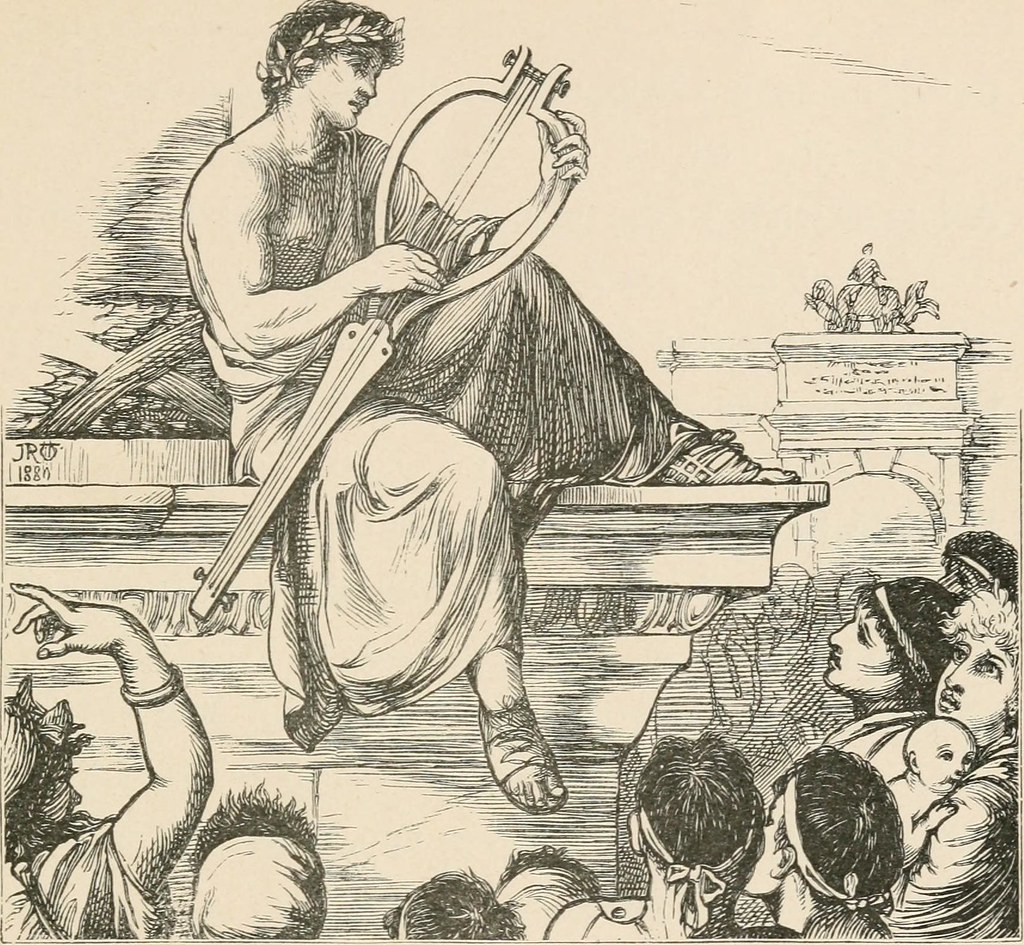
Catullus 60 Translation
Introduction
In this poem,Catullus** wonders who bore someone that he finds hard-hearted and monstrous**. Catullus questions whether it was a lioness or Scylla in lines one and two. In line four, he mentions what the terrible person did: hold a suppliant’s voice in contempt. Then, in the fifth line, he called the person cruel-hearted.
To fully understand the poem, it is important to know what a suppliant is. This is a person who is asking for a humble request. The suppliant only makes the request to someone with power. The suppliant could be a suitor, a beggar, or a claimant. These all have slightly different denotations, but to turn away a person who is begging could be considered cruel.
In lines one and two, Catullus makes allusions to a lion from Libyan mountains and to Scylla. The lion from Libya could be a reference to the goddess Libya who was born from Epaphus and Cassiopeia. She ended up marrying Neptune and they had a son named Busiris. The Egyptians did not like Busiris, who was a tyrant. While Libya was not a lion, she did give birth to a monstrous ruler who was killed by Heracles, who did wear the coat of a lion while he completed his labors. Busiris was a terrible leader. When people visited him, he sacrificed them to the gods; he was certainly monstrous.
The other monster, Scylla, was actually a monster. She is best known from her role in the story of Odysseus with her partner Charybdis. Scylla is a monster with several heads and each one has a mouth filled with sharp teeth. She lurks on the top of a mountain where she waits for ships to pass. As the go by, she strikes at them eating men from the decks. This person who turned down the beggar must be terrible.
Carmen 60
| Line | Latin text | English translation |
|---|---|---|
| 1 | NVM te leaena montibus Libystinis | Was it a lioness from Libyan mountains |
| 2 | aut Scylla latrans infima inguinum parte | or a Scylla from her womb below |
| 3 | tam mente dura procreauit ac taetra, | that bare you, you that are so hard-hearted and monstrous |
| 4 | ut supplicis uocem in nouissimo casu | as to hold in contempt your suppliant’s voice in his last need, |
| 5 | contemptam haberes, a nimis fero corde? | ah, too cruel-hearted one ? |