Catullus 50 Translation
Introduction
Catullus 50 tells of a lively poetry writing session betweenCatullus** and his friend Licinius Calvus**, as well as lethargy and ennui Catullus feels afterward. It has a mocking tone which is apparent by the use of urbane language as well as hendecasyllabic meter. Each line has eleven poetic feet.
In the poem, Catullus and Licinius Calvus, who was a fellow poet and orator, engage in a passionate and hedonic exchange of poetry and personality. Afterward, Catullus cannot eat or sleep and lays about restlessly daydreaming about another poetry session. He then displays his affection for the poetic form in giving him the ability to express his mood but warns Calvus to beware of hubris, lest the god Nemesis (who engages in retribution towards the arrogant) punish him.
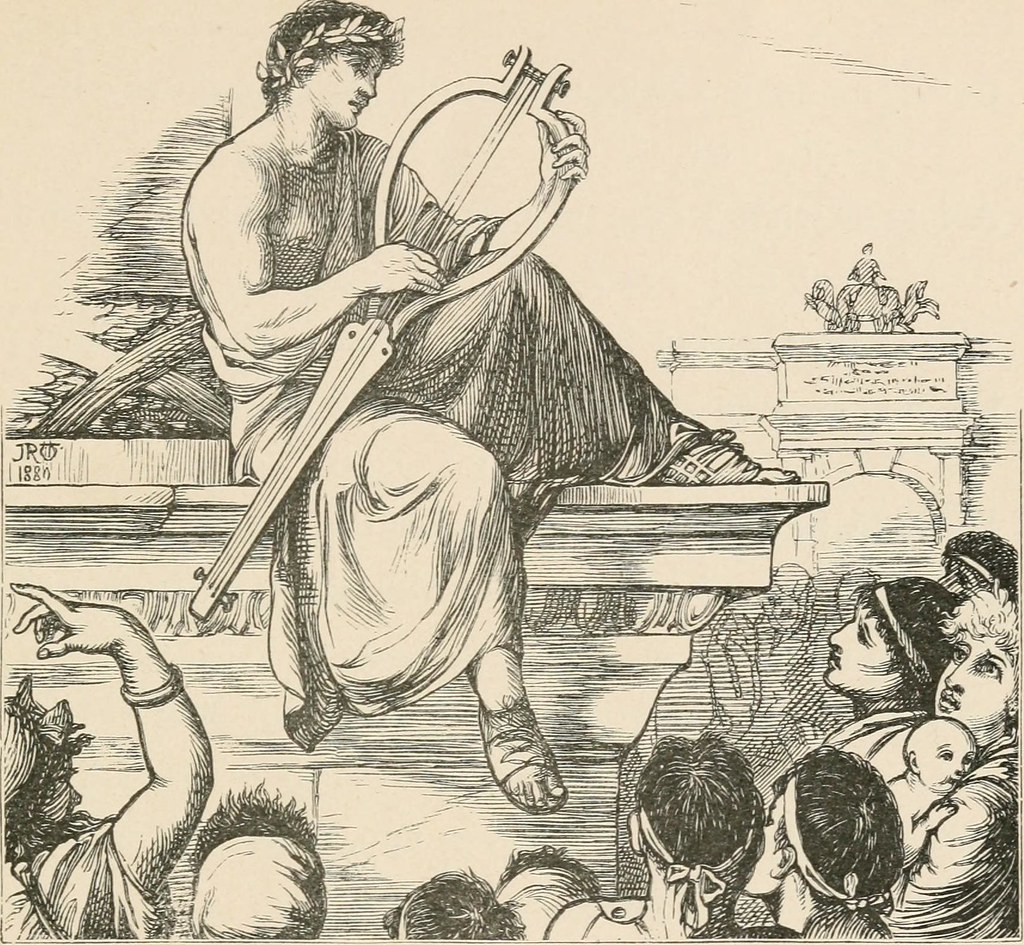
Catullus 50** begins in a very light tone while the two are in the flow of creativity but then takes a dark shift when his friend abandons him. The first six lines of the poem bear cheerful vocabulary: *leisure, indulgent, playing, laughing, drinking. *But the absence of the camaraderie of Calvus, a member of the distinguished gens Licinia family, is as much a cause of despair for Catullus as the absence of artistic creation. The unhappiness serves as a marked contrast from the beginning of the poem and highlights the esteem in which Catullus holds friendship. The second section** of the poem is subdivided into two smaller sections, the first wherein Catullus describes the reason for his suffering (*And I left from there piqued by your charm and wit, *50, 7-8). The term “piqued” (incensus) in Latin is often followed by “love” (amore) which suggests erotic overtones as well as a high degree of affection for his friend’s poetic prowess and personal qualities. The second subsection describes his psychological suffering (anxiety, longing, depression).
The poem is connected to***Catullus 51 ***by its theme of the leisure (*Yesterday, Licinius, at leisure, *50.1) which has many meanings but for Catullus and other prominent individuals would have meant a purposeful withdrawal from public life to pursue important artistic endeavors. **It seems that Catullus 50 and *****Catullus 51 ***were meant to be read together. Both describe Catullus’ misery (“*me miserum”, *50.9). His unhappiness is central to each poem, though Lesbia, and love, are the objects of longing in *Catullus 51 *which is thus more serious. In *Catullus 50 *he undertakes a more light-hearted effect to display a similar longing for the friendship of Calvus. In both, he lists his symptoms as a way of highlighting his affection for the addresses. A playful eroticism takes hold in lines 7-8. Catullus is so enthralled by the charm and wit of Calvus, and of the pleasure of their time making art together, that the rest of life loses its luster.
In lines 18-21 of the poem, there is again a shift in tone in the reference to Nemesis, a very powerful deity and symbol of punishment for excess. The seemingly inappropriate invocation of Nemesis highlights the sarcastic feeling of *Catullus 50, *though it can also be read as a warning to Catullus himself not to rely on camaraderie and romanticism to an unhealthy degree, lest he is punished with emotional distress.
Carmen 50
| Line | Latin text | English translation |
|---|---|---|
| 1 | HESTERNO, Licini, die otiosi | Yesterday, Licinius, we made holiday |
| 2 | multum lusimus in meis tabellis, | and played many a game with my tablets, |
| 3 | ut conuenerat esse delicatos: | as we had agreed to take our pleasure. |
| 4 | scribens uersiculos uterque nostrum | Each of us pleased his fancy in writing verses, |
| 5 | ludebat numero modo hoc modo illoc, | now in one metre, now in another, |
| 6 | reddens mutua per iocum atque uinum. | answering each other, as we laughed and drank our wine. |
| 7 | atque illinc abii tuo lepore | I came away from this so fired |
| 8 | incensus, Licini, facetiisque, | by your wit and fun, Licinius, |
| 9 | ut nec me miserum cibus iuuaret | that food did not ease my pain, |
| 10 | nec somnus tegeret quiete ocellos, | nor sleep spread rest over my eyes, |
| 11 | sed toto indomitus furore lecto | but restless and fevered I tossed about all over my bed, |
| 12 | uersarer, cupiens uidere lucem, | longing to see the dawn, |
| 13 | ut tecum loquerer, simulque ut essem. | that I might talk to you and be with you. |
| 14 | at defessa labore membra postquam | But when my limbs were worn out with fatigue |
| 15 | semimortua lectulo iacebant, | and lay half dead on my couch, |
| 16 | hoc, iucunde, tibi poema feci, | I made this poem for you, my sweet friend, |
| 17 | ex quo perspiceres meum dolorem. | that from it you might learn my suffering. |
| 18 | nunc audax caue sis, precesque nostras, | Now be not too proud, and do not, I pray you, |
| 19 | oramus, caue despuas, ocelle, | apple of my eye, do not reject my prayers, |
| 20 | ne poenas Nemesis reposcat a te. | lest Nemesis demand penalties from you in turn. |
| 21 | est uehemens dea: laedere hanc caueto. | She is an imperious goddess–beware of offending her. |