Marsyas
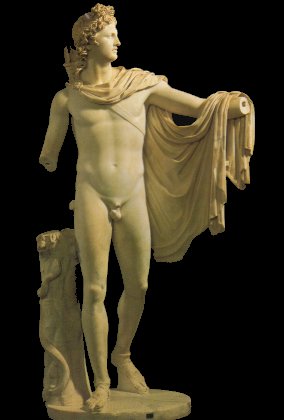
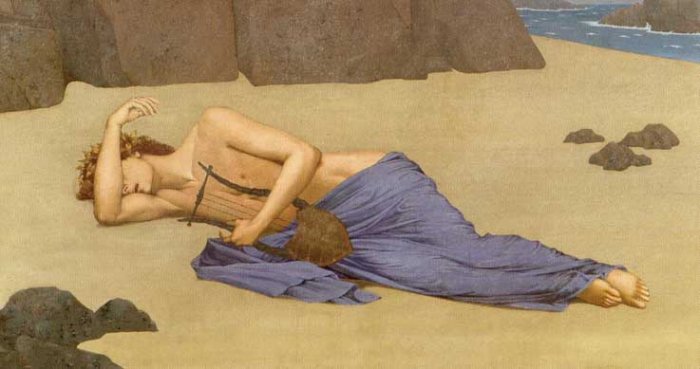
In Greek myths, most of the musical instruments were invented by the gods. Pan invented the reed pipe. Hermes invented the lyre, which he gave to Apollo. As a musician and singer, Apollo was unmatched. The Muses, the nine daughters of Zeus, were gifted with their singing and dancing abilities.
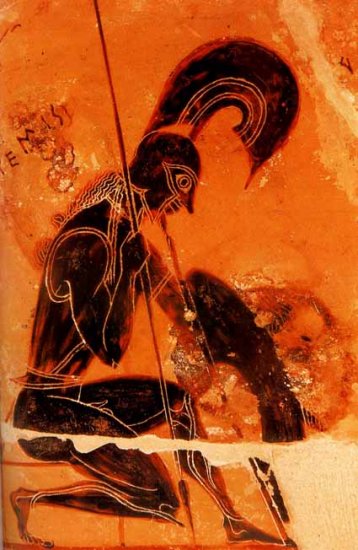
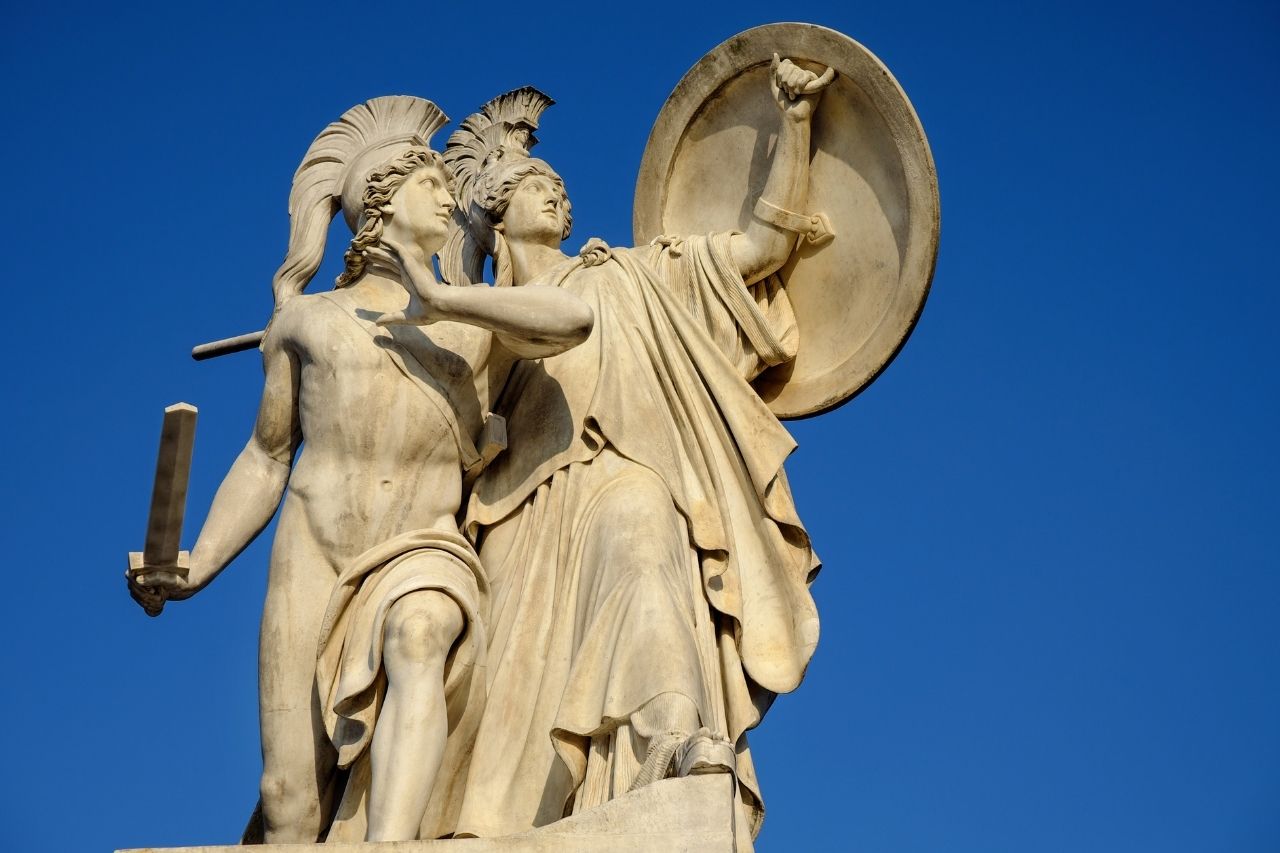
Athena, the goddess of the crafts, invented the aulos - a double-reed pipe. When Athena blew on the pipe, her face would puff up, distorting her cool beauty. The goddesses Hera and Aphrodite laughed at Athena’s face, making the war goddess angry so that she threw the instrument away. Athena laid a curse upon anyone who picked up the aulos.
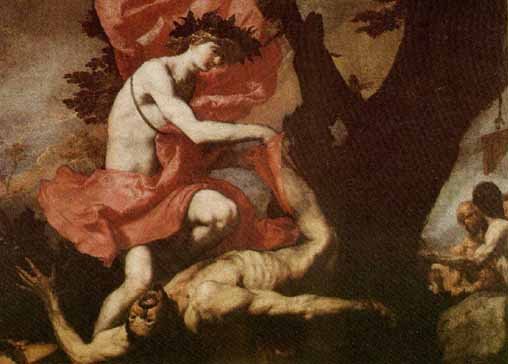
Apollo and Marsyas
José de Ribera
Oil on canvas, 17th century
Musée des Beaux Arts, Brussels
A satyr named Marsyas, the son of Olympos, found the discarded pipe and began to play. Soon, Marsyas mastered the pipe and became extraordinarily talented with this new instrument. Marsyas became so well known as an aulos player that he became prideful and arrogant. Marsyas dared to challenge Apollo in a music contest.
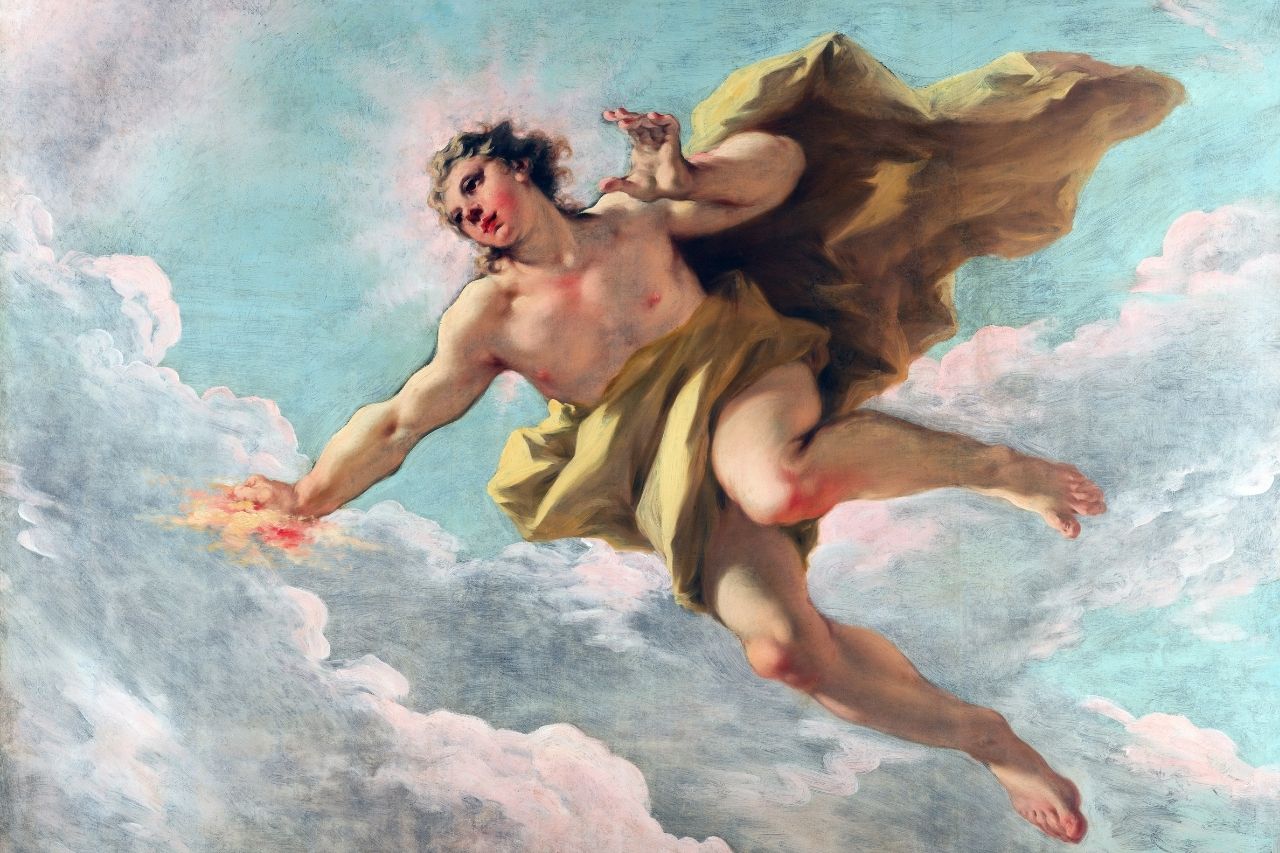
Apollo answered his challenge, and they agreed that the winner could do anything he liked to the loser. Apollo won the contest not through just the music, but by a trick. Apollo played the lyre while he was upside down. Marsyas failed to play the pipe in the same position.
Apollo punished the satyr for the arrogance of challenging the gods. Apollo hanged Marsyas upside down from the pine tree, and flayed the unfortunate satyr alive. Marsyas was left without skin.
The woodland gods and nymphs mourned for Marsyas, and their tears caused a spring to flow through the woods of Phrygia, becoming a river called Marsyas.